

Table of Contents
Floating shelves without brackets use a concealed internal support system that eliminates visible hardware. Instead of relying on traditional L-shaped supports, these shelves slide onto metal rods or reinforced channels hidden inside the wall and shelf. This creates the signature “floating” illusion.
Homeowners choose this design for its clean lines and uncluttered appearance. When installed correctly, the hardware stays completely hidden, allowing your décor—not the brackets—to stand out. These shelves work well in kitchens, living rooms, offices, and small spaces where visual openness matters.
To build strong floating shelves without brackets, the internal hardware must anchor securely into studs or masonry. Metal rods or steel supports slide into matching drilled holes inside the shelf. Weight capacity depends on hardware length, wall type, and the thickness of the shelf material.
Common materials include hardwood, high-density MDF, and plywood. Each offers different levels of durability, load strength, and style. Selecting the right material ensures your floating shelves look clean while supporting everyday items safely.
Choosing Materials and Tools for Hidden-Mount Shelves
Strong materials prevent sagging and ensure the shelf locks firmly onto its supports. Solid wood, plywood, or thick MDF (1”–2”) work best. Your wall type—drywall, plaster, or masonry—determines which anchors or screws you need. Stud mounting is always preferred for maximum strength.
You’ll need a stud finder, drill, drill bits, level, measuring tape, screwdrivers, safety goggles, and anchors suitable for your wall. Selecting quality hardware designed for floating shelves without brackets guarantees better long-term durability.
Preparing the Wall and Marking Placement
Clear the installation area and wipe away dust. Use a stud finder to mark stud locations, or choose heavy-duty wall anchors if studs aren’t available. Measure your preferred shelf height and draw a level guideline across the wall.
Mark the exact drilling points for the mounting rods or brackets. Precise measurement ensures your shelf installs straight and fits snugly over its hardware. Double-check your markings before drilling.
Installing floating shelves without brackets starts with careful layout. Proper wall preparation ensures your shelves remain secure, perfectly level, and visually seamless.
Installing the Shelf Step by Step
Drill pilot holes that match the depth and diameter of the mounting rods. Insert the rods or mounting hardware, ensuring they sit level. If using anchors, tighten them securely according to manufacturer instructions.
Slide the shelf onto the wall hardware, fitting the internal cavities over the rods. If the shelf resists sliding, check for alignment issues rather than forcing it. Tighten any set screws to lock it in place. A small bead of paintable caulk can hide tiny gaps between the wall and shelf for a custom finish.
Many DIY homeowners choose floating shelves without brackets because they blend into any room while still providing dependable support.
Final Touches and Styling Tips
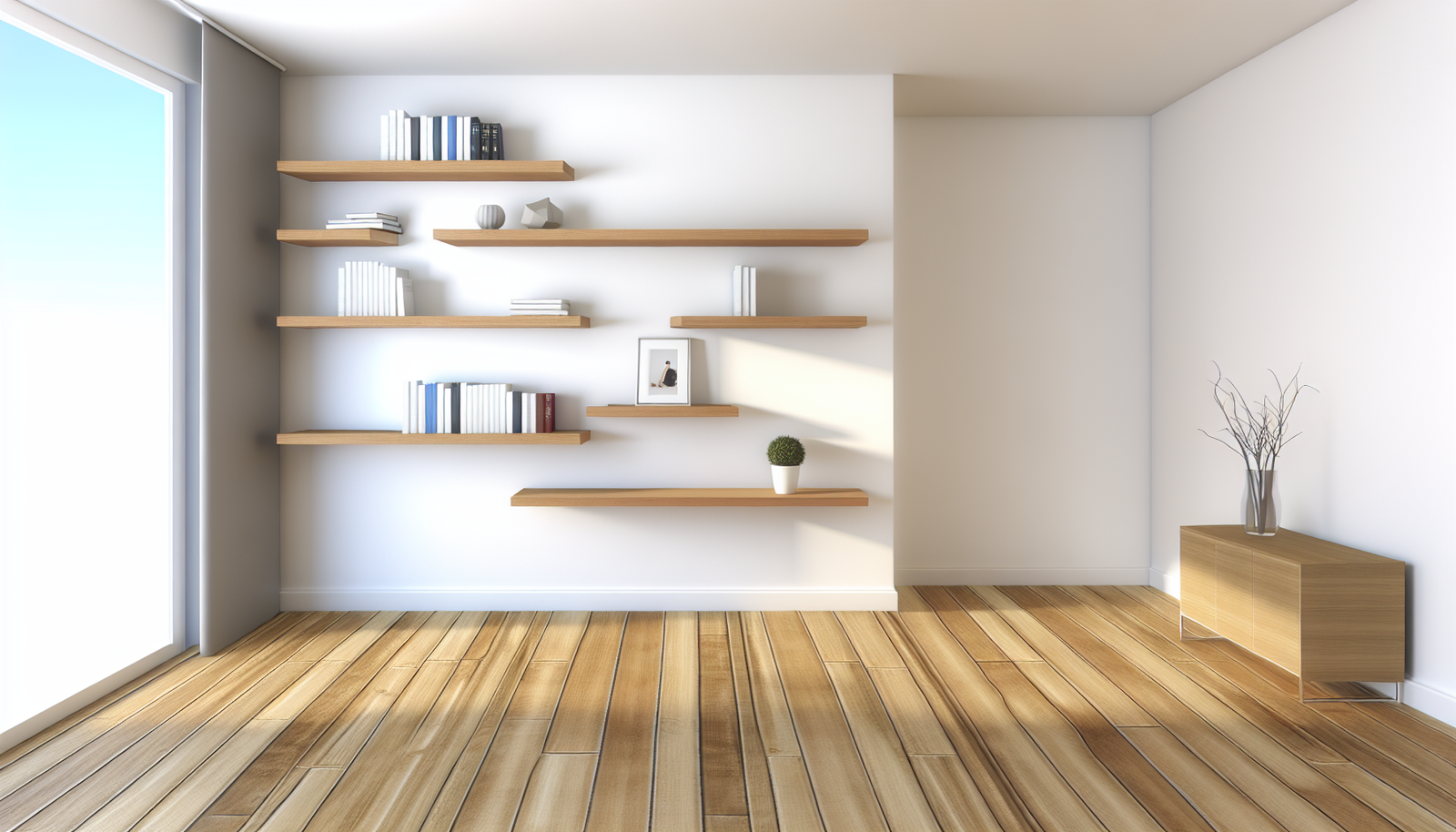
Test the shelf’s stability by gently pressing down and toward the wall. Style your shelves with a balanced mix of books, plants, framed art, and small décor pieces. Place heavier items near studs or closer to the wall for added support.
Leave some empty space to maintain a clean, airy appearance. Dust the shelf regularly and periodically check for loosening to keep the installation looking flawless.
Proper styling and maintenance extend the lifespan of your floating shelves without brackets while enhancing the modern look of your space.
Conclusion
Floating shelves without brackets offer a modern, seamless way to add storage and decorative display space. With careful planning, proper hardware, and accurate installation, you can achieve secure, elegant shelving that enhances any room for years to come.