

Table of Contents
Learn how to clean paint brushes used with oil paints using safe, effective methods that protect bristles, extend brush life, and improve painting results.
Clean Paint Brushes the Right Way From the Start
Clean paint brushes immediately after using oil paints to protect their shape, flexibility, and performance. Oil paint dries slowly, but once it hardens inside the bristles or ferrule, damage becomes permanent.
Many artists ruin high-quality brushes simply by delaying proper cleaning. With the right process and tools, however, cleaning oil paint brushes becomes simple and effective.
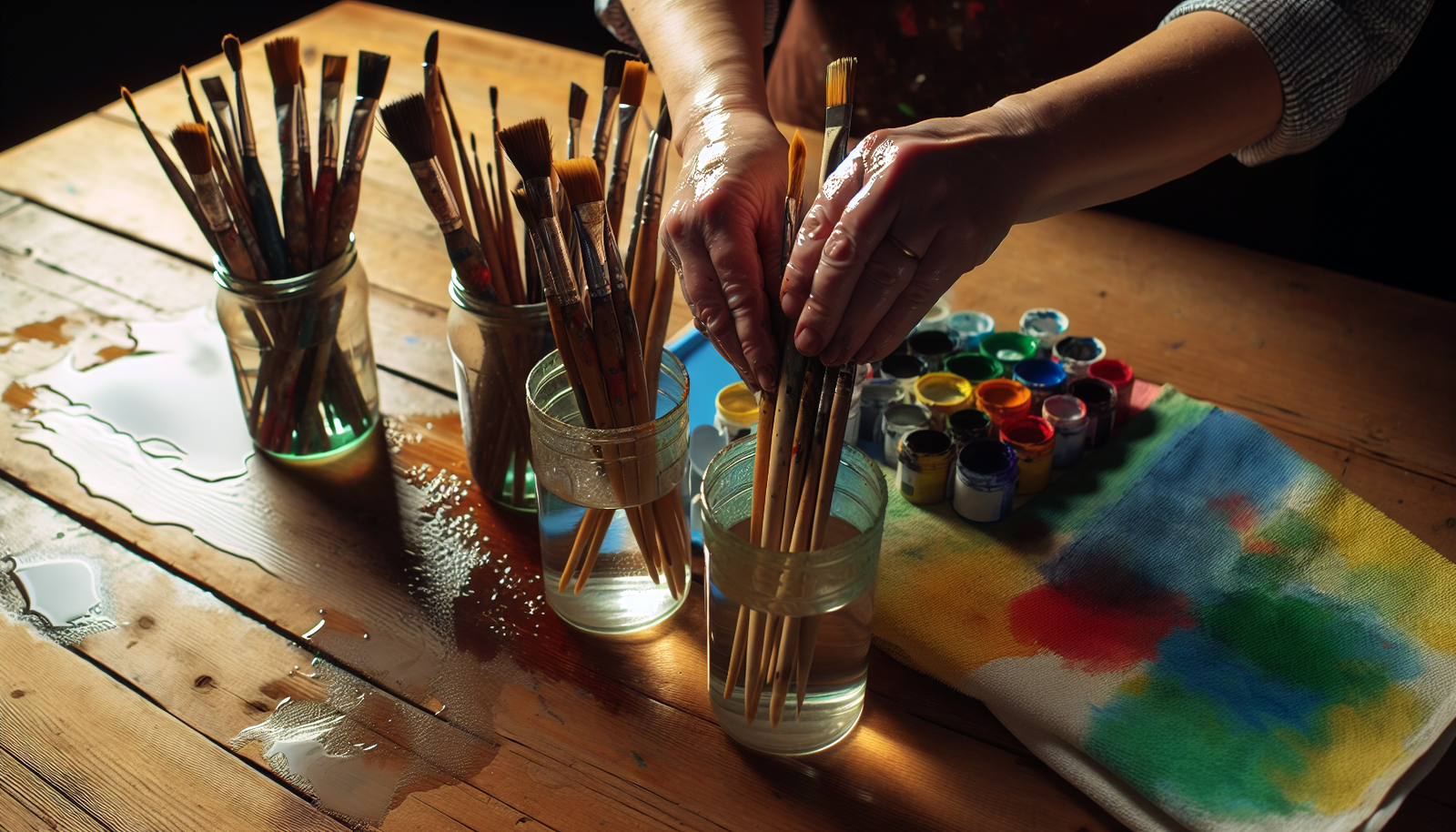
This guide explains why brush care matters, what tools you need, and how to clean paint brushes step by step—without damaging them.
Why You Must Clean Paint Brushes After Oil Painting
Cleaning oil paint brushes is essential for both brush longevity and painting quality. Oil paint penetrates deeply into bristles, especially near the ferrule, where dried residue causes stiffness and splaying.
When brushes aren’t cleaned properly:
• Bristles lose flexibility
• Shapes become distorted
• Colors contaminate future work
• Brushes need frequent replacement
Natural hair brushes are especially vulnerable, but synthetic brushes also degrade if oil residue is left behind.
From a cost perspective, quality brushes are an investment. From an artistic perspective, clean paint brushes produce smoother strokes, cleaner color mixes, and better control.
Tools You Need to Clean Paint Brushes Correctly
Before starting, gather the proper supplies. Using the right tools makes cleaning faster and safer for your brushes.
Essential items include:
• Mineral spirits or odorless turpentine
• Mild soap or artist brush soap
• Lint-free cloths or paper towels
• Brush comb or cleaning pad
• Two cleaning containers
• Gloves and ventilation
Eco-friendly alternatives such as citrus-based solvents or walnut oil cleaners are also effective and less toxic.
Having a dedicated brush-cleaning station prevents mess and encourages consistent maintenance.
Step-by-Step Process to Clean Paint Brushes (Oil Paints)
Step 1: Remove Excess Paint
Wipe paint from the brush using a cloth. Gently squeeze from ferrule to tip to avoid pushing paint deeper into the bristles.
Step 2: First Solvent Rinse
Dip only the bristles into solvent. Swirl gently to loosen oil paint. Avoid scraping or bending bristles aggressively.
Step 3: Second Solvent Rinse
Move to clean solvent and repeat. Dark or heavy pigments may require multiple rinses.
Step 4: Soap and Water Wash
Use lukewarm water and mild soap. Work the soap through the bristles using your palm. Rinse until water runs clear.
Step 5: Shape the Brush
Gently reshape bristles to their original form while damp.
This method ensures you thoroughly clean paint brushes without weakening the ferrule or damaging fibers.
How to Dry and Store Clean Paint Brushes
Drying is just as important as cleaning. Poor drying habits can undo all your hard work.
Best practices include:
• Lay brushes flat on a towel
• Keep bristles aligned
• Allow full air circulation
• Avoid standing brushes upright while wet
Once dry, store brushes horizontally or in breathable cases. Avoid sealed containers that trap moisture.
Proper storage prevents mold, bristle curl, and handle damage.
Common Mistakes When You Clean Paint Brushes
Many artists unknowingly shorten brush life by making avoidable mistakes.
Avoid these errors:
• Using acetone or harsh chemicals
• Leaving brushes soaking too long
• Cleaning only the tips, not the ferrule
• Drying brushes bristles-down
• Skipping soap after solvent use
Following a consistent routine ensures your clean paint brushes remain responsive and reliable.
How Often Should You Clean Paint Brushes?
You should clean paint brushes after every oil painting session. Even short breaks can allow oil paint to settle deep into bristles.
For long painting sessions, wipe brushes between colors and perform a full cleaning at the end of the day.
Regular maintenance dramatically increases brush lifespan.
Conclusion
Learning how to clean paint brushes properly—especially after oil painting—is essential for artists at every level. With the right tools, careful technique, and good drying habits, you protect both your brushes and your artwork.
Clean paint brushes last longer, perform better, and help you achieve consistent, professional results every time you paint.