

Table of Contents
Home security is a top priority for families and homeowners around the world. From advanced security systems to home security cameras, technology has revolutionized the way we safeguard our residences. In this comprehensive guide, we’ll delve into the best options for protecting your home, the role of social security in safety, and essential strategies for peace of mind.
Understanding Home Security and Its Importance
Home security encompasses a broad set of measures and technologies aimed at protecting your residence and loved ones from intrusion, harm, and loss. It involves not only safeguarding possessions from threats like burglary, but also shielding people and property from vandalism, fire, and unauthorized access. According to the Federal Bureau of Investigation’s 2022 Crime Report, there were over 1 million burglaries across the United States, with residential properties accounting for a significant share. In addition to theft, homeowners now face concerns such as package theft, increasingly common with the rise of online shopping, and the risk of home invasions—events that jeopardize not just material assets but, crucially, personal safety.
The impact of these threats extends beyond direct financial losses. Studies from the Bureau of Justice Statistics highlight that victims of home crimes report lasting feelings of vulnerability and anxiety long after an incident. This underscores that home security is about more than just deterrence—it’s essential for peace of mind. Installing visible security cameras, alarm systems, and other security measures not only helps to physically protect a home but can significantly reduce stress and improve quality of life by assuring residents of their safety.
Modern trends further emphasize the necessity for robust home security. Today’s homes are more connected, but also more exposed—IoT devices, remote access points, and automated systems present both conveniences and new risks. Moreover, as neighborhood dynamics shift and urban populations grow, proactive residential security becomes a critical personal responsibility. According to a 2023 survey from SafeWise, 62% of Americans reported feeling concerned about break-ins. This concern drives increased investment in sophisticated home security systems as homeowners prioritize both property defense and the overall well-being of their families.
Exploring Home Security Systems: Technology and Choices
Modern home security systems offer a vast and evolving range of technologies tailored to diverse needs and lifestyles. Homeowners can choose from wired and wireless systems, each presenting distinct advantages. Wired systems, often praised for their reliability and resistance to interference, are well-suited to permanent residences and larger homes that benefit from consistent connections. However, many households find the flexibility and easy installation of wireless systems—including those compatible with mobile devices—far more appealing, especially for renters or those seeking scalability.
Monitored systems, involving professional surveillance services, provide round-the-clock oversight. In the event of a breach or emergency, these systems automatically alert dispatchers, ensuring rapid emergency response. In contrast, self-monitored setups empower homeowners to manage alerts and footage directly through smartphones or tablets. This hands-on approach is popular among tech-savvy users, and because there are no ongoing monitoring fees, these systems can be more cost-effective.
Key features define the effectiveness of any security system. Alarms and sensors—placed on doors, windows, and sensitive areas—detect unauthorized entry or environmental hazards like smoke or water leaks. Automation and smart home integration extend functionality further, letting users synchronize lights, locks, and thermostats for a proactive security stance. Remote access applications allow for real-time monitoring and control, regardless of physical location.
Evaluating the best home security systems requires a balanced look at usability, the breadth of features, and long-term costs. Systems offering intuitive interfaces and customizable configurations stand out. According to a user testimonial, “Being able to check my system and receive instant notifications on my phone made me feel truly in control of my home’s safety.” Security experts emphasize the importance of scalability, ensuring the system can expand with additional sensors or devices as needs evolve. Price, while significant, should be weighed against the value of professional support and advanced features.
Home Security Cameras and Surveillance Solutions
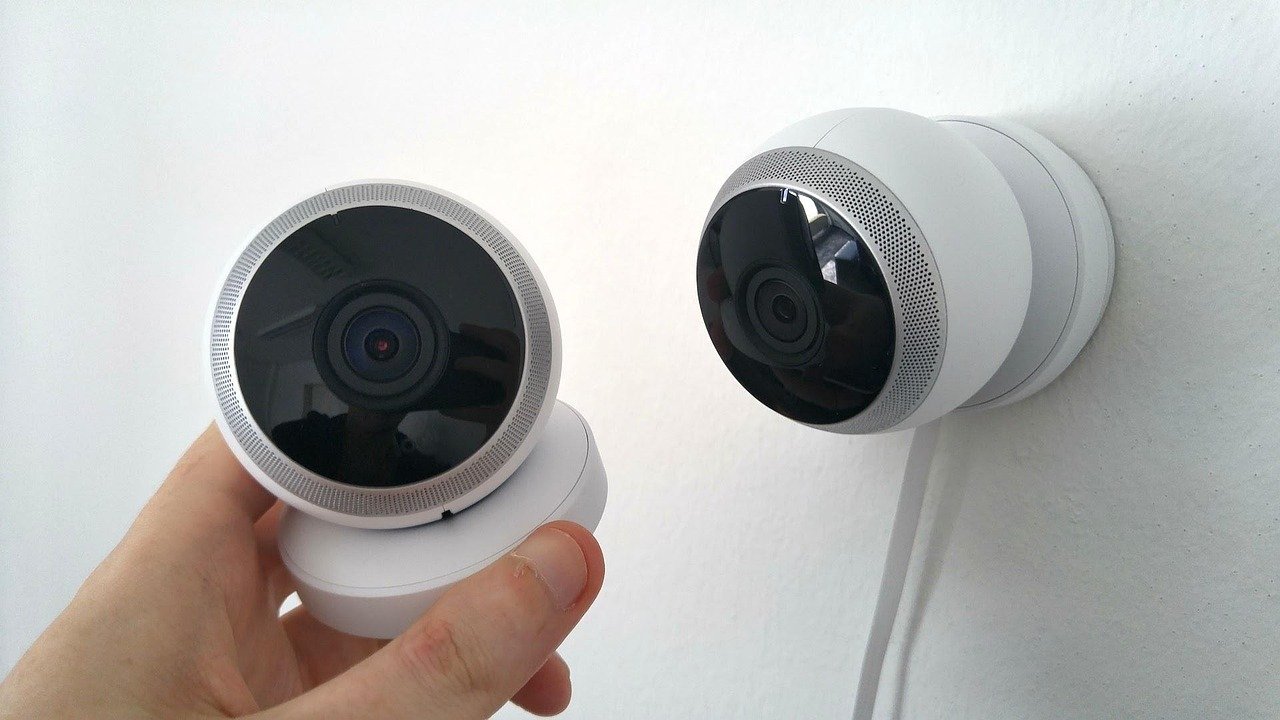
Home security cameras have become an essential pillar of modern home protection, integrating seamlessly with broader security systems to create a deterrent, provide forensic evidence, and enable real-time monitoring. The evolution of camera technology has shifted from bulky, analog devices requiring complex wiring to today’s compact, wire-free, and smart cameras, which offer features unimaginable a decade ago.
Selecting the appropriate camera type is critical. *Indoor cameras* are typically compact and discreet, ideal for monitoring common areas or sensitive locations inside a home. *Outdoor cameras* are built to withstand harsh conditions and often include features like weatherproof casings and advanced night vision. *Doorbell cameras* serve dual purposes, acting as both an entry monitor and a tool for interacting with visitors remotely, whether you’re home or away. Both *wireless* and *IP cameras* offer flexible installation options; IP models connect directly to your network, facilitating high-resolution video streaming, while wireless options often include battery-powered configurations for places lacking convenient power sources.
Where you place cameras can dramatically increase their effectiveness. Entrances, driveways, and backyard access points are prime targets for monitoring, while strategic indoor placement ensures privacy but covers vulnerable spaces. For large properties, overlapping fields of view reduce blind spots.
Key factors in camera selection include video quality—higher resolutions (1080p or 4K) ensure clearer identification; night vision capabilities for round-the-clock surveillance; and robust motion detection to reduce false alerts. Consider storage options carefully: *local storage* (SD cards, NVRs) offers privacy and independence from internet outages, while *cloud storage* provides off-site backup and convenient access but can raise data security concerns.
Maximize coverage by setting motion detection zones, calibrating alert sensitivities, and regularly reviewing recorded footage. Always weigh privacy implications—point outdoor cameras away from neighbors’ property and inform household members of active surveillance areas, staying mindful of local privacy laws to maintain trust within the home and community.
Integrating Social Security for Community Safety
Social security, within the context of home and community safety, extends beyond governmental support systems and refers to the shared responsibility and cooperative actions of neighbors working together. Community-driven security initiatives form a crucial layer of protection that complements physical security systems like alarms and cameras. When neighborhoods unite, they create an environment where risks are detected early, and collective vigilance deters criminal activity.
Organized neighborhood watch programs are a cornerstone of social security, encouraging residents to observe and report suspicious behavior. These programs foster trust, regular communication, and mutual support among neighbors. They also facilitate direct partnerships with local law enforcement, ensuring a rapid coordinated response to emergencies and the timely sharing of critical information—much more effective than isolated, individual measures.
Local security initiatives can take other forms as well, such as the installation of shared surveillance technology at community entrances, collaborative efforts for better street lighting, or even agreement on scheduled security patrols. Online platforms and instant messaging groups make it easy to distribute alerts, share safety tips, and coordinate community actions. When information travels quickly, residents can adapt and respond to potential threats in real time.
Public awareness campaigns—organized by homeowners’ associations or civic groups—boost education about crime trends, common scams, and preventative strategies tailored to the locality. Workshops and meetings empower residents to recognize vulnerabilities and implement best practices.
Collective efforts not only deter opportunistic crime but also create a robust support network. Vulnerable individuals, including children and seniors, benefit from the watchful eyes and caring attitude of an engaged community. When technological solutions are integrated with social vigilance, a holistic, layered defense emerges, reducing risks by making your home—and your whole neighborhood—a less attractive target for criminals.
Practical Tips for Achieving the Best Home Security
Practical home security hinges on combining cutting-edge technology with consistent daily routines and ongoing attention. Begin by ensuring all entry points—doors, windows, garages—are equipped with high-quality locks, and reinforce hinges or sliding tracks to resist forced entry. Smart locks and doorbell cameras add convenience with remote access, but remember to change access codes periodically and use strong, unique passwords for all security devices.
Security cameras should be strategically placed to monitor vulnerable areas such as front and back doors, side gates, and blind spots. Regularly clean camera lenses, check their functionality, and install firmware updates as soon as they are available to defend against digital threats. Make a habit of testing alarm systems and sensors, including smoke and CO detectors, at least once each month.
Effective lighting deters intruders—install motion-activated or dusk-to-dawn lights around entrances, pathways, and dark corners. Keep landscaping trimmed to remove hiding spots near windows and doors. Gravel paths or noisy surfaces can act as natural alerts to approaching footsteps.
Educate every household member, even children, on basic security routines: keeping doors locked, not sharing security codes or personal information, and properly using alarm systems. Agree on clear protocols for unexpected visitors, deliveries, or emergencies, and revisit these regularly to ensure everyone can act swiftly if needed.
Tailor your security setup to reflect your home’s layout, neighborhood risks, and family lifestyle, recognizing that no solution is one-size-fits-all. Periodically conduct a walk-through to identify new vulnerabilities, especially after any significant changes like renovations or in response to local crime trends. Consistent vigilance and adaptation transform basic precautions into a resilient security posture that evolves alongside your home and community.
Conclusions
Effective home security relies on a combination of modern systems, robust surveillance, and active community involvement. By choosing the right tools—such as advanced security cameras and systems—and participating in local safety programs, homeowners can safeguard their property and loved ones. Stay proactive, informed, and vigilant to ensure lasting peace of mind in your everyday life.