

Table of Contents
Learn how Concrete Floor Paint can upgrade your floors with protective coatings, epoxy finishes, and proper grinding techniques. This complete guide covers benefits, application tips, and expert prep methods for long-lasting results.
Concrete Floor Paint is one of the simplest ways to upgrade and protect concrete surfaces. Whether you want a cleaner look for your garage, a polished finish for commercial spaces, or a durable coating for workshops, concrete paint and related coatings offer practical and stylish solutions. This guide explains the best paint options, epoxy finishes, coating systems, and grinding preparation methods for a professional result.
Understanding Concrete Floor Paint and Concrete Surface Needs
Concrete floors are strong and long-lasting, but they also have vulnerabilities. Because concrete is porous, it absorbs moisture, oils, and stains. Over time, this causes discoloration, dusting, and surface wear.
Heavy foot traffic, vehicles, chemicals, and weather exposure can accelerate damage. That’s why sealing and finishing concrete with Concrete Floor Paint or other coatings is essential. Paint and coatings create a protective barrier, reduce dust, resist stains, and improve overall durability.
In addition to protection, coatings also enhance appearance. You can choose bold colors, decorative flakes, gloss levels, or matte finishes to match any interior or commercial design.
Concrete Floor Paint: Benefits, Types, and Application Tips
Concrete Floor Paint offers an affordable way to refresh indoor or lightly used floors. It’s available in latex, acrylic, or polyurethane formulas, each providing different levels of durability.
Benefits of Concrete Floor Paint
Enhances appearance with clean, uniform color
Protects against dust and minor stains
Easier to install than epoxy
Quick drying and low odor options available
Latex and acrylic paints are great for basements, laundry rooms, and low-traffic areas. Polyurethane paints are more durable and resist sunlight, making them suitable for outdoor surfaces.
How to Apply Concrete Floor Paint
Clean and degrease the surface thoroughly.
Etch or sand smooth surfaces for better adhesion.
Apply primer if recommended.
Roll on thin, even coats of paint.
Allow each layer to dry before foot traffic begins.
Concrete floor paint is not ideal for heavy machinery, hot tires, or constant moisture. For those environments, epoxy or polyaspartic coatings are better choices.
Epoxy Coatings: Stronger Protection and High-Gloss Results
Epoxy provides a much thicker and tougher surface than paint. It’s ideal for garages, warehouses, commercial kitchens, and industrial environments.
Why Choose Epoxy?
Extremely durable
Resistant to chemicals, oil, and abrasion
Hot tire resistant
Offers a glossy, seamless appearance
Epoxy is a two-part system that hardens into a strong coating. Proper surface prep is crucial.
Basic Epoxy Installation Steps
Clean and degrease the floor.
Use a grinder to create texture for bonding.
Apply a primer coat.
Roll out epoxy base coat.
Add decorative flakes (optional).
Seal with a clear topcoat.
When installed correctly, epoxy can last many years with minimal maintenance.
Choosing the Right Concrete Floor Coatings Beyond Paint and Epoxy
If Concrete Floor Paint or epoxy isn’t the best fit, several other coating options are available:
Polyaspartic Coatings
Fast cure time
UV resistant
Ideal for commercial jobs needing quick turnaround
Polyurethane Coatings
Flexible and resistant to impact
Often used as a topcoat over epoxy
Acrylic Coatings
Budget-friendly
Good for light-duty indoor use
Choosing the right coating depends on use, durability needs, moisture levels, and your desired look.
Using Concrete Floor Grinders for Proper Preparation
Grinding is one of the most important steps before applying Concrete Floor Paint, epoxy, or other coatings.
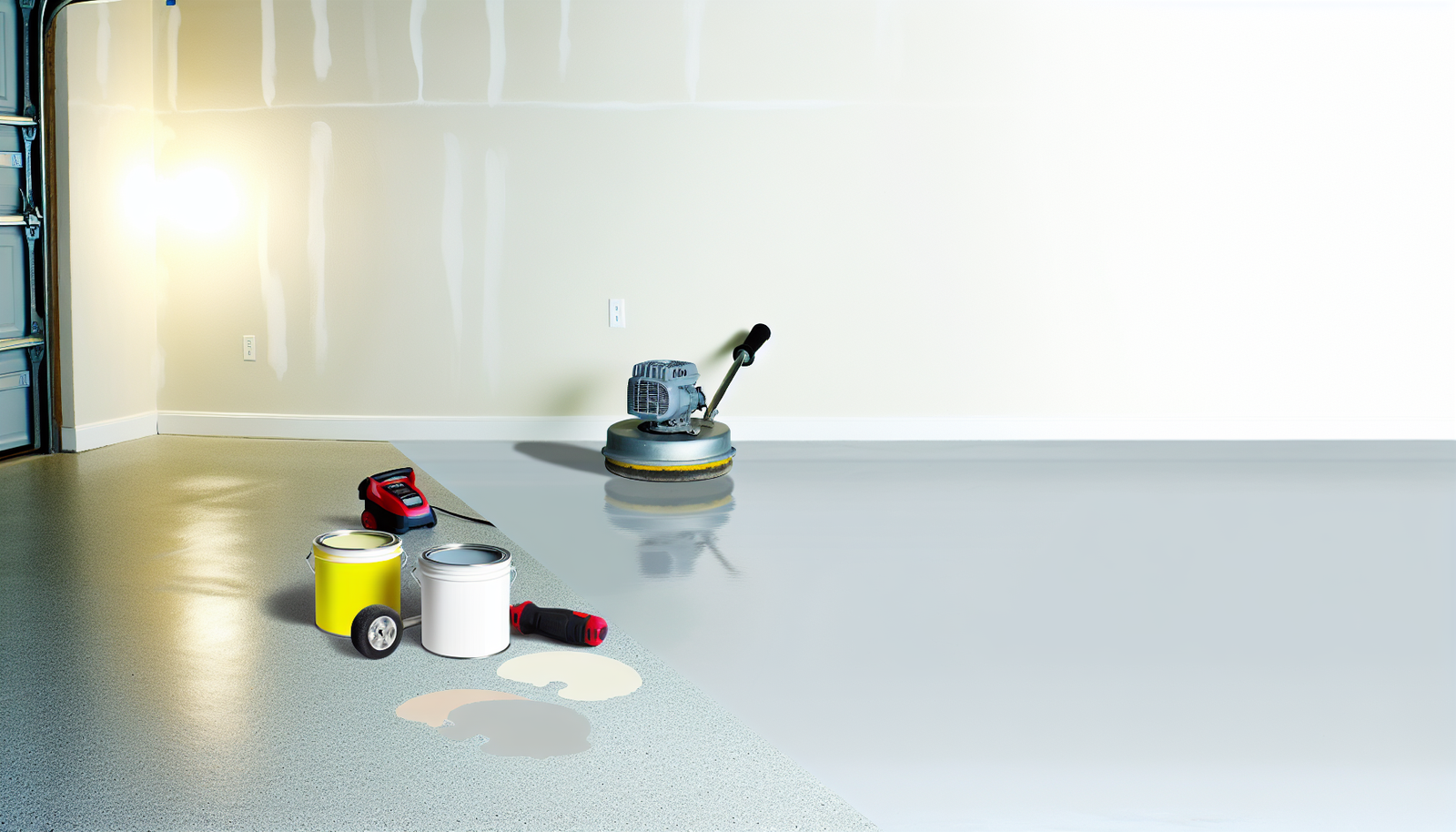
A concrete floor grinder removes old paint, adhesives, and surface imperfections. It also roughens the slab so coatings bond correctly.
Types of Grinders
Handheld grinders for edges and tight spaces
Walk-behind grinders for large areas
Why Grinding Matters
Ensures strong adhesion
Levels the surface
Prevents peeling and bubbling
Always use proper safety gear and pair the grinder with a vacuum to control dust.
Conclusion
Choosing the right flooring upgrade—whether it’s Concrete Floor Paint, epoxy, polyurethane, or polyaspartic coatings—can significantly improve durability, appearance, and safety. With proper preparation and grinding, any concrete surface can be transformed into a clean, strong, and attractive finish. Use this guide to select the best option for your space and achieve long-lasting results.