
Table of Contents
Learn how to remove wallpaper safely and efficiently using proven tools and techniques. This step-by-step guide shows you how to remove wallpaper and stubborn glue without damaging your walls.
Remove Wallpaper the Right Way for a Clean, Professional Finish
Remove wallpaper properly and your next paint or wall finish will look flawless. Skip this step or rush it, and you may end up with peeling paint, uneven texture, or visible glue stains. While wallpaper removal can feel overwhelming, using the right process makes it manageable—even for beginners.
This complete guide explains how to remove wallpaper, dissolve stubborn adhesive, and prepare your walls for a smooth, long-lasting finish.
Why You Must Remove Wallpaper Correctly
Old wallpaper traps dust, moisture, and adhesive that interfere with new finishes. Even if the paper comes off easily, leftover glue can cause bubbling, peeling, or patchy paint later.
Removing wallpaper thoroughly ensures:
- Better paint adhesion
- Smooth wall texture
- Long-term durability
- Professional-looking results
Taking time now saves hours of repairs later.
Prepare Your Space Before You Remove Wallpaper
Preparation is essential before you begin to remove wallpaper.
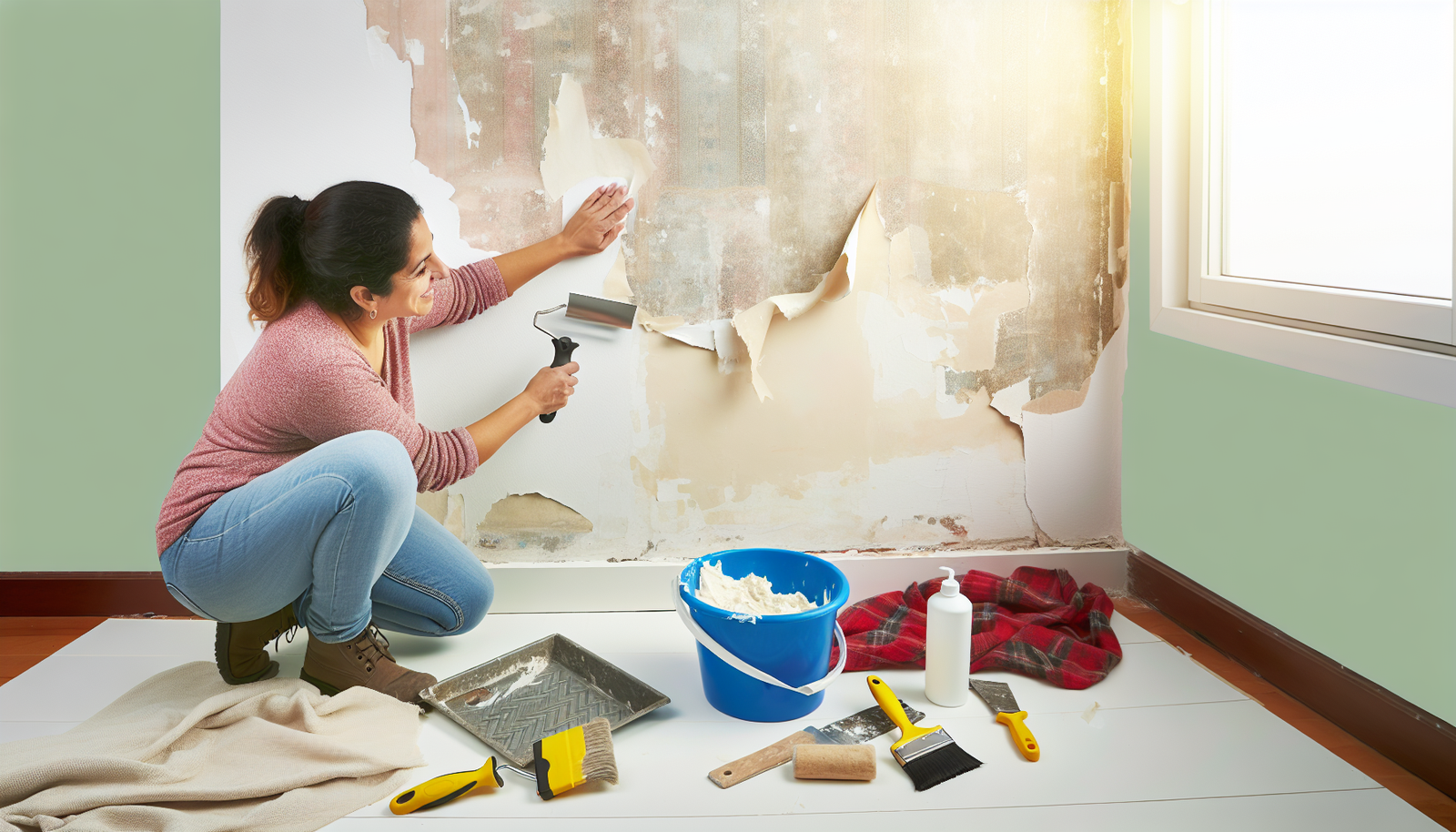
Start by clearing furniture from the room. Cover remaining items and floors with drop cloths or plastic sheeting to protect against water and adhesive drips.
Turn off electricity to the room if working near outlets. Remove outlet covers and tape plastic over openings to prevent moisture from entering.
Wear gloves and safety glasses. Wallpaper removal solutions can irritate skin and eyes, especially when spraying overhead.
Tools You’ll Need
- Putty knife or wallpaper scraper
- Scoring tool
- Buckets and sponges
- Drop cloths
- Commercial wallpaper remover or homemade solution
- Step ladder
Having everything ready keeps the process efficient and safe.
Identify Wallpaper Type Before You Remove Wallpaper
Not all wallpaper removes the same way. Identifying the type helps you choose the safest removal method.
Strippable Wallpaper
Peels off in large sheets when pulled gently. Minimal water needed.
Peelable Wallpaper
Top layer removes dry, leaving a paper backing that must be soaked.
Traditional Wallpaper
Requires soaking or steaming to loosen adhesive.
Test a corner before proceeding. Correct identification prevents wall damage and frustration.
Step-by-Step Method to Remove Wallpaper Efficiently
Begin at a seam or loose edge. Use a putty knife to lift the wallpaper gently.
If the wallpaper resists, spray it with warm water or remover solution. Allow it to soak for 5–10 minutes so the adhesive softens.
Work in small sections. Pull slowly while scraping underneath with light pressure.
For stubborn wallpaper, use a scoring tool to allow moisture to penetrate deeper layers. A wallpaper steamer may be helpful for thick or old coverings.
Patience is critical. Rushing increases the risk of tearing drywall or plaster.
How to Remove Wallpaper Glue Completely
Once you remove wallpaper, glue residue often remains.
Mix warm water with dish soap or white vinegar. Apply using a sponge and allow it to sit for several minutes.
Gently scrub the area in circular motions. Avoid sharp tools that may gouge the wall.
For stubborn glue, use a commercial wallpaper glue remover. Always test in a small area first.
Rinse with clean water and wipe dry. Run your hand over the wall to ensure no sticky residue remains.
This step is essential—paint will not adhere properly over leftover glue.
Repair and Prepare Walls After You Remove Wallpaper
After you remove wallpaper and glue, inspect the wall carefully.
Fill holes or gouges with spackling compound. Feather edges smoothly and allow to dry.
Lightly sand with fine-grit sandpaper until smooth. Wipe dust away with a damp cloth.
Apply a high-quality primer before painting or installing new wallpaper. Primer seals the surface and ensures uniform color.
Skipping primer is a common mistake that leads to visible patches and uneven finishes.
Common Mistakes to Avoid When You Remove Wallpaper
- Over-saturating drywall
- Scraping aggressively
- Skipping glue removal
- Painting without priming
- Working too fast
Avoiding these mistakes protects your walls and ensures professional results.
Final Thoughts: Remove Wallpaper Once, Do It Right
Remove wallpaper carefully and methodically, and you’ll be rewarded with smooth, durable walls ready for any design update. With proper preparation, the right tools, and patience, even stubborn wallpaper and glue can be removed safely.
A clean wall surface improves paint adhesion, enhances appearance, and makes future updates easier. Follow these steps, and your next home improvement project will start on a solid foundation.