

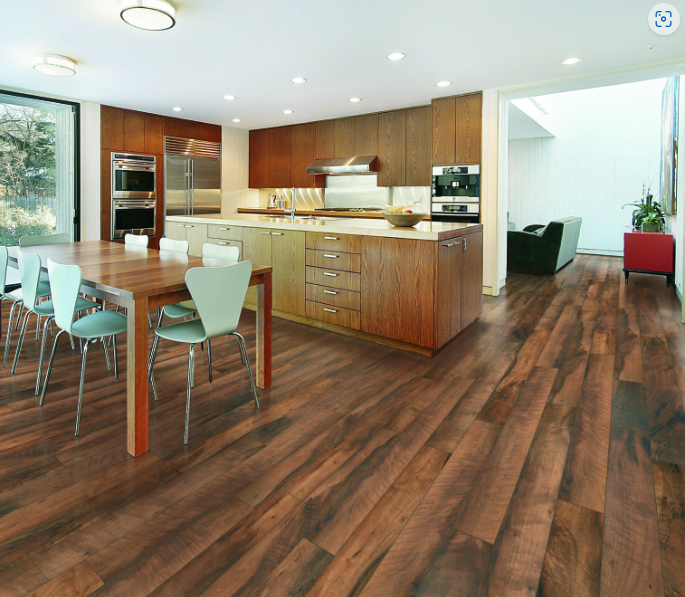
Learn everything about Laminate flooring installation costs, required materials, and a simple step-by-step installation guide. Perfect for DIY homeowners or anyone planning a flooring upgrade.
Laminate flooring is a popular choice for homeowners who want durability, style, and affordability in one package. Whether you’re installing it yourself or hiring a professional, understanding costs and knowing the installation steps can help you budget properly and achieve great results. This guide covers pricing, preparation, and the complete installation process.
Understanding Laminate Flooring and Its Benefits
Laminate flooring offers a realistic wood or stone appearance at a lower cost. It is made from several layers, including a protective wear layer, a decorative image layer, a strong core, and a stabilizing backing.
One of the biggest benefits of laminate flooring is affordability. Because it uses composite materials rather than solid wood, manufacturing costs stay low—making it budget-friendly for homeowners.
Another advantage is easy installation. Most laminate flooring uses a click-and-lock system that eliminates glue or nails. This makes it accessible for DIY beginners who want a professional finish without high labor costs.
Laminate flooring is also highly durable. The top wear layer resists scratches, stains, and fading, making it perfect for high-traffic areas and homes with pets or children. Modern styles are available in wood, stone, tile, and textured finishes, allowing you to match nearly any decor.
Estimating Costs for Laminate Flooring Installation
The cost of installing laminate flooring depends on materials, labor, and room layout. Basic laminate flooring typically ranges from $1 to $4 per square foot. Premium or water-resistant options may cost $5 to $7 per square foot.
Underlayment adds $0.25 to $0.75 per square foot. This layer helps with sound reduction, comfort, and sometimes moisture protection—especially when installing over concrete.
Other materials include trim, transition pieces, spacers, and installation tools. These small items can add $30 to $50 to the project.
Labor costs for professional installation usually fall between $2 and $5 per square foot. Rooms with unusual shapes, closets, or many corners may require extra time and materials.
For an average 200-square-foot room, total installation costs generally range from $600 to $2,400, depending on flooring quality and labor needs.
What You Need Before Installing Laminate Flooring
Before installing laminate flooring, gather the right tools and prepare your workspace properly.
Essential tools include a tape measure, chalk line, pencil, saw (hand saw or circular saw), tapping block, pull bar, rubber mallet, and spacers. You’ll also need safety gear such as gloves, goggles, and a dust mask.
Clear the room completely and remove old flooring or adhesives. Make sure the subfloor is dry, level, and clean. High spots should be sanded down, and low spots filled with leveling compound.
Allow your laminate planks to acclimate in the room for at least 48 hours. This prevents warping or gaps after installation.
Measure the room carefully and purchase 5–10% extra material for cutting waste.
Step-by-Step Guide to Installing Laminate Flooring
1. Install the Underlayment
Lay the underlayment smoothly and trim excess material. If you’re installing over concrete, include a moisture barrier.
2. Plan Your Layout
Choose the direction of your planks—usually along the longest wall. Use spacers to maintain a 1/4-inch expansion gap around the edges.
3. Start With the First Row
Dry-lay your first row to avoid ending with very narrow planks. Lock planks together using the click-and-lock system.
4. Stagger the Planks
Stagger joints by at least 12 inches between rows. This increases stability and gives a natural appearance.
5. Cut Planks as Needed
Use a saw to cut around door frames and corners. Always measure twice before cutting.
6. Continue Row by Row
Lock each plank securely and use a tapping block when needed to close gaps.
7. Install Trim and Transitions
After finishing the floor, remove all spacers. Add baseboards or quarter-round trim to cover the expansion gap.
How to Maintain Laminate Flooring
Proper maintenance extends the life of your laminate flooring and keeps it looking new.
Sweep or vacuum regularly to remove dust and debris. Use a damp microfiber mop with a laminate-safe cleaner for deeper cleaning. Avoid excess water, as standing moisture can damage the flooring.
Place pads under furniture legs to prevent scratching. Use rugs in busy areas and wipe spills immediately to prevent staining or swelling.
If a plank gets damaged, replace it promptly to avoid further issues.
Conclusion
Installing laminate flooring is an affordable and stylish way to upgrade your home. By understanding costs, gathering the right tools, and following a clear installation process, you can achieve professional-quality results. With proper care, laminate floors will remain beautiful and durable for years to come.