

Table of Contents
Patching holes in drywall is a common home repair task that can restore the beauty and integrity of your walls. Whether you’re dealing with small nail punctures or larger dents, knowing the right methods ensures a professional-looking result. In this article, we’ll guide you through each step, from preparation to finishing touches, so you can confidently repair drywall holes of any size.
Assessing the Damage and Gathering Materials for Patching Holes
Carefully inspecting the damaged section of drywall is the first step toward achieving a flawless patch. Begin by assessing the size and nature of the hole. Small holes from nails, screws, or pins typically measure less than 1/2 inch. Medium holes often range from 1/2 inch to 6 inches, while large holes exceed 6 inches and may involve missing drywall or framing damage.
Once you’ve established the severity, determine the appropriate repair method and gather the necessary tools. For small holes, lightweight spackling or pre-mixed joint compound with a putty knife is usually enough. Medium holes need added reinforcement, such as a self-adhesive mesh patch or patch kit combined with joint compound. Large holes often require a drywall cutout, screws, mesh tape, a drill, and sometimes wood strips for backing.
Regardless of the size, a sanding sponge (120–220 grit) is critical for blending the repair. Safety gear such as goggles and a dust mask is also essential. With the correct tools ready, you’re prepared to begin patching holes efficiently.
Preparing the Area Before Patching Holes
Before you begin the repair, it’s crucial to prepare the area properly. Remove loose debris using a utility knife or stiff brush. Scrape away flaking drywall, old paint, or crumbling paper until you reach clean, solid material. For medium and large holes, cut the perimeter into a neat square or rectangle for easier patching.
Vacuum or wipe away dust, as even a thin layer can prevent proper adhesion. For larger openings, always check for electrical wiring or obstructions inside the cavity.
Protect the work area with drop cloths and use painter’s tape to create a clean border. Good lighting helps you spot imperfections early. Proper preparation is the foundation of a professional, seamless finish.
Repairing Small Holes and Cracks in Drywall
Small holes from nails, screws, and minor hairline cracks are the most common drywall issues. Although tiny, they can become visible after painting if not handled correctly. Begin with lightweight spackling or joint compound.
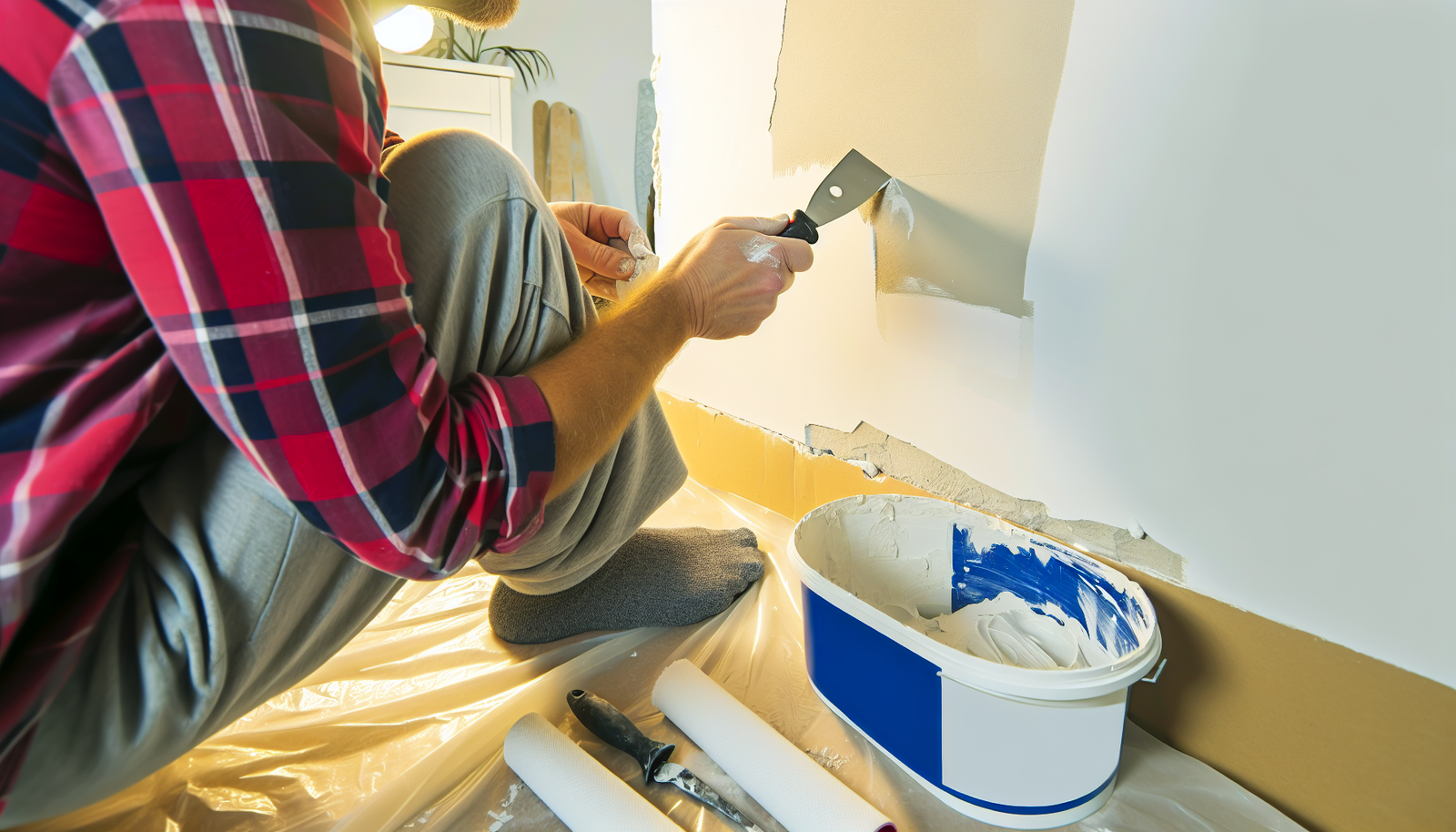
Use a flexible putty knife slightly wider than the hole. Press the compound firmly into the damaged spot and smooth it flat. For cracks, spread a thin layer along the length of the crack. Remove excess compound with a sweeping motion.
Allow it to dry completely, then apply a second thin coat if necessary. Once dry, lightly sand the area with fine-grit sandpaper and wipe away dust. The result should be a smooth, flush surface ready for priming and painting.
Patching Medium to Large Holes in Drywall
When patching holes larger than 2 inches, you’ll need a more structural method. Clean the area and cut the opening into a clean square or rectangle. Measure the hole and cut a matching drywall piece slightly smaller.
If there’s no stud behind the hole, install a backer board (a thin wood strip) inside the wall using screws. Secure your drywall patch to this backing.
Reinforce the joints with fiberglass mesh tape. Apply joint compound over the seams with a 6-inch drywall knife, feathering the edges widely. Let it dry completely before applying a second, smoother coat. Proper feathering creates a seamless transition between the new patch and existing wall surface.
Finishing and Painting After Patching Holes
Once the patched area dries, examine it under good lighting. Run your hand over the surface to detect bumps or ridges. Lightly sand any imperfections with fine-grit sandpaper and clean away dust.
Apply a high-quality primer to seal the new compound. This prevents uneven paint absorption and ensures a consistent finish.
Once primed, apply two thin coats of matching wall paint, feathering the edges to blend the repair. For textured walls, mimic the existing pattern with your brush or roller. Inspect one final time and touch up as needed for a flawless result.
Conclusion
In summary, patching holes in drywall is a manageable DIY task when you follow the right steps—from assessment and prep work to patching and painting. With the correct tools and techniques, even larger holes can be repaired seamlessly, leaving your walls looking smooth, clean, and like new.