

Table of Contents
Weatherproof windows help reduce drafts, prevent moisture damage, and improve energy efficiency. Learn how to seal weatherproof windows properly using proven materials and techniques.
Weatherproof Windows: Why Proper Sealing Matters for Your Home
Weatherproof windows are one of the most effective ways to protect your home from drafts, moisture intrusion, and unnecessary energy loss. When windows are properly sealed, they help maintain indoor comfort year-round, reduce heating and cooling costs, and prevent long-term structural damage caused by water and air leaks.
Even modern homes can suffer from poorly sealed windows. Over time, caulking breaks down, weatherstripping compresses, and frames shift. Addressing these issues early ensures your windows continue to perform as a strong barrier against the elements.
Weatherproof Windows: Identifying Common Window Vulnerabilities
Before installing any sealing materials, inspect your windows carefully.
Stand near each window on a windy or cold day and feel for drafts around the sash and frame. A flickering candle or incense stick can help reveal subtle air movement. Pay close attention to corners, joints, and areas where the window meets the wall.
Look for cracked caulk, peeling paint, or visible gaps. Wooden frames may show signs of rot or softness, which indicates prolonged moisture exposure. Condensation trapped between window panes signals a failed seal and reduced insulation performance.
These vulnerabilities weaken the effectiveness of weatherproof windows and should be addressed before applying new materials.
Weatherproof Windows: Choosing the Right Sealing Materials
Selecting the correct materials is essential for creating long-lasting weatherproof windows.
Foam tape and adhesive weatherstripping work well for movable parts such as sliding and casement windows. Closed-cell foam provides better resistance to moisture and temperature changes.
V-strip weatherstripping is ideal for single-hung windows and tight gaps along sash tracks. It creates a durable seal without interfering with window movement.
For stationary gaps, high-quality silicone caulk offers superior flexibility and durability, especially for exterior use. Acrylic latex caulk is easier to apply and paint but is best suited for interior sealing.
Plastic window insulation film adds a temporary but effective thermal barrier during cold seasons, making it popular for older or drafty windows.
Weatherproof Windows: Step-by-Step Sealing Techniques
Successful weatherproof windows rely on careful preparation and precise installation.
Start by removing old caulk and deteriorated weatherstripping. Clean the surface thoroughly using rubbing alcohol or a mild household cleaner. Allow all areas to dry completely.
Measure and cut weatherstripping to fit each section of the sash or frame. Apply it evenly, ensuring slight compression for a tight seal.
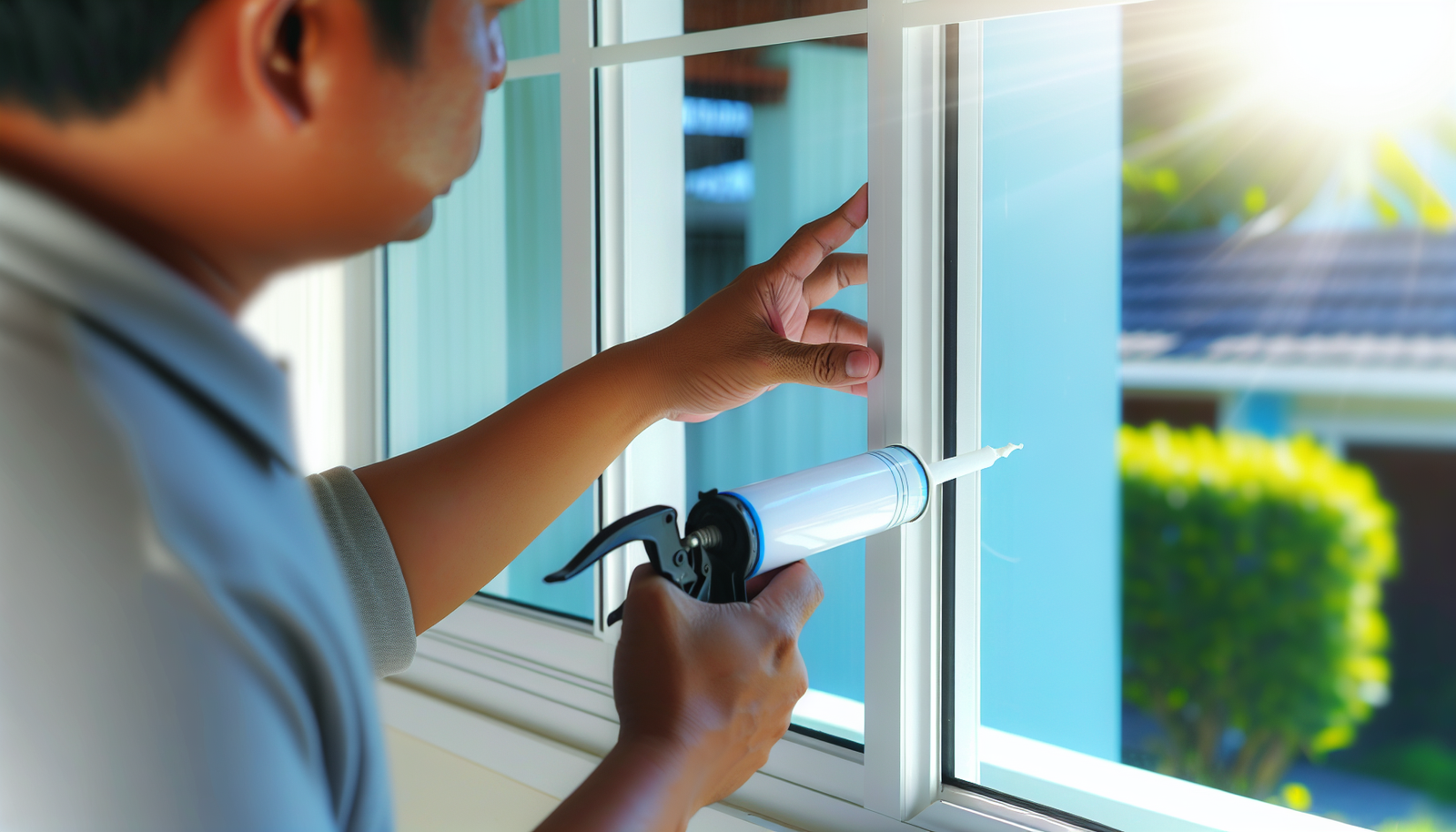
Use a caulk gun to apply a continuous bead of caulk along stationary joints and the exterior frame perimeter. Smooth the bead immediately to eliminate gaps and ensure proper adhesion.
For insulation film, apply double-sided tape around the frame, attach the film, and gently shrink it with a hairdryer until taut.
These techniques significantly improve the performance of weatherproof windows when done carefully.
Weatherproof Windows: Ongoing Maintenance and Inspections
Even properly sealed weatherproof windows require routine maintenance.
Inspect windows twice a year, ideally in spring and fall. Look for cracked caulk, loose weatherstripping, or new gaps caused by seasonal expansion and contraction.
Clean window tracks, sills, and frames regularly to prevent moisture buildup and mold growth. Avoid abrasive cleaners that can degrade sealing materials.
Replace damaged caulk or weatherstripping immediately. Small repairs prevent major energy loss and water intrusion later.
Consistent upkeep ensures weatherproof windows remain effective for many years.
Weatherproof Windows: Advanced Protection Options
For additional protection, consider storm windows. They create an insulating air pocket that reduces heat transfer and improves performance in extreme climates.
Thermal curtains and insulated blinds further enhance weatherproof windows by limiting heat loss in winter and blocking excess heat in summer.
Low-E glass upgrades reflect infrared heat while allowing natural light, offering long-term efficiency improvements for homeowners seeking maximum performance.
Combining these options with proper sealing delivers superior weather resistance and comfort.
Common Mistakes to Avoid When Weatherproofing Windows
Skipping surface preparation is a frequent error. Dirty or damp surfaces prevent proper adhesion.
Using the wrong caulk type for exterior conditions reduces durability. Always match materials to the environment.
Ignoring small gaps leads to ongoing drafts and moisture issues. Even tiny leaks compromise weatherproof windows over time.
Conclusion
Weatherproof windows are a smart, cost-effective investment for homeowners. By identifying vulnerabilities, selecting proper materials, applying sealing techniques correctly, and maintaining your windows regularly, you can protect your home from drafts, moisture, and energy loss.
With consistent care, weatherproof windows provide long-term comfort, lower utility bills, and stronger protection against the elements.