

Table of Contents
Learn how to Replace Door Hinges with this step-by-step guide, including tools, preparation, installation tips, and maintenance techniques for smooth door operation.
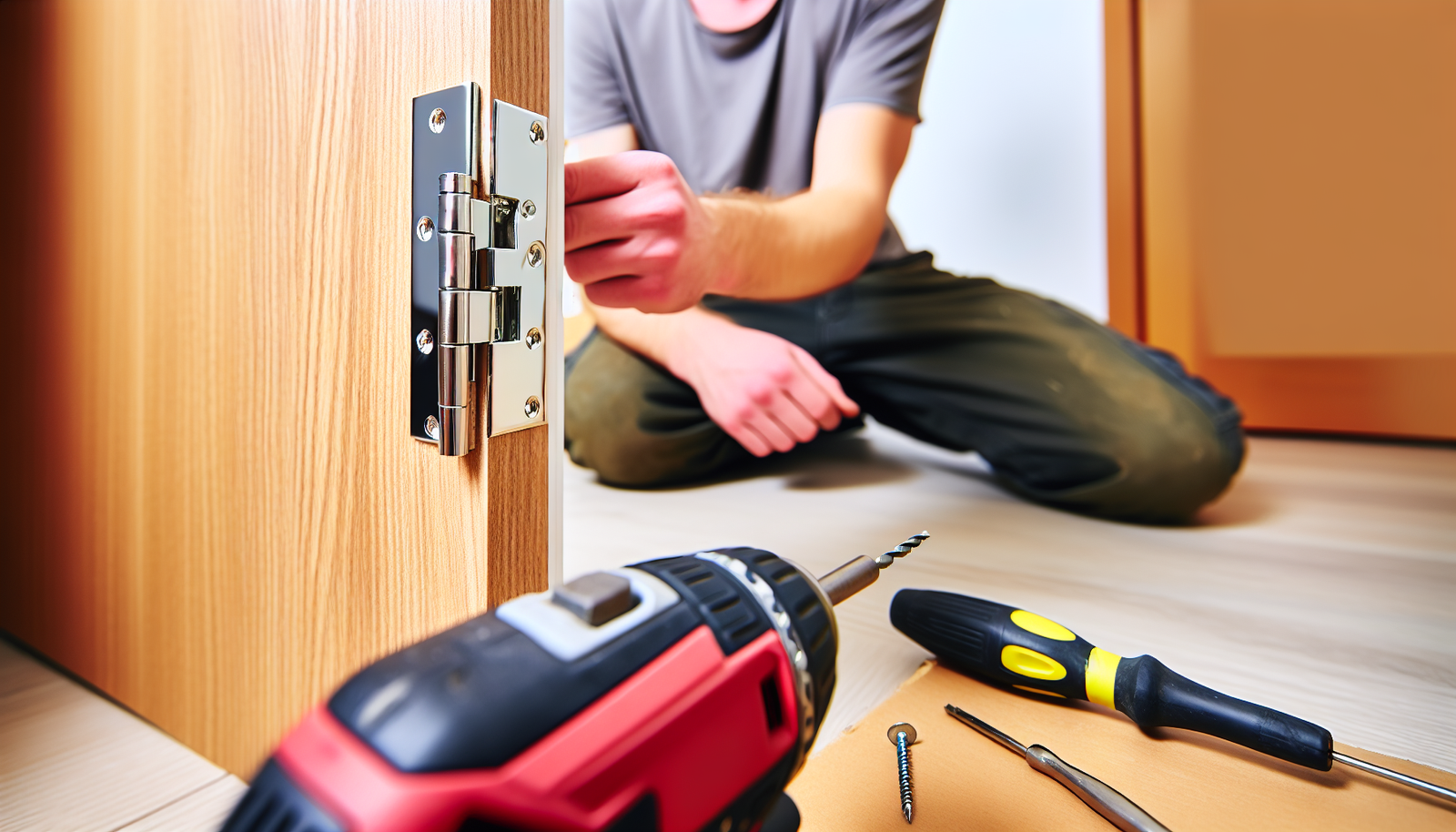
If you’re looking to Replace Door Hinges, the process is simpler than most homeowners expect. Whether your hinges are squeaking, rusted, loose, or outdated, replacing them restores smooth door movement and improves appearance. This guide walks you through everything you need to know—tools, removal, installation, and long-term care.
Why Replace Door Hinges? Understanding Their Importance
Door hinges play a crucial role in keeping your door aligned, functional, and secure. When hinges fail, the door may sag, scrape the floor, or refuse to close correctly.
Common reasons to Replace Door Hinges include:
- Squeaking or grinding noises
- Rust or corrosion
- Loose screws that no longer tighten
- Bent or damaged hinge plates
- Doors that stick, drag, or misalign
Different hinge types are used in homes:
Common Hinge Types
- Butt Hinges – Standard for interior/exterior doors
- Concealed Hinges – Often used on cabinets for seamless appearance
- Continuous (Piano) Hinges – Provide strength along the full door edge
Understanding your hinge type helps you choose the correct replacement.
Tools and Materials Needed to Replace Door Hinges
Before you begin, gather the right tools. Having everything ready makes the hinge replacement process smoother and prevents mistakes.
Essential Tools:
- Screwdriver or drill
- New hinges (same size & style as old ones)
- Screws (matching hinge size)
- Measuring tape
- Pencil
- Wood filler (for stripped holes)
- Chisel (if adjustments to mortise are needed)
- Level or square
Choose hinges that match the door’s existing cutouts to avoid unnecessary chiseling or drilling. Always compare old and new hinges side-by-side before installation.
How to Replace Door Hinges: Removing the Old Hardware
Start by preparing the workspace. Clear the area around the door and place a cloth or mat on the floor to protect surfaces. Light interior doors usually stay in place while you work; heavy doors may need a helper to lift and support them.
Step-by-Step Removal
- Support the door with a wedge or wooden block.
- Begin with the bottom hinge, unscrewing hardware from the frame and door.
- Move to the middle and top hinges.
- Place old hinges and screws in a container so nothing gets lost.
- Remove paint buildup or debris around the mortise area.
Inspect screw holes. If any are stripped, fill them with wood filler or toothpicks coated in wood glue. Allow drying before installing new screws.
How to Replace Door Hinges: Installing the New Hinges Correctly
With old hardware removed and the mortises cleaned, you can now install the new hinges.
Installation Steps
- Position the new hinge in the mortise on the door.
- Use your pencil to mark screw locations.
- Pre-drill pilot holes to prevent splitting.
- Insert screws halfway by hand to maintain control.
- Repeat the process for hinges on the door frame.
Before fully tightening the screws, test the door movement. The door should swing freely, without rubbing or sticking.
If the door doesn’t align properly:
- Loosen screws slightly
- Adjust hinge position
- Retighten and retest
A level hinge installation ensures long-term door stability.
Final Adjustments After You Replace Door Hinges
Now that the hinges are installed, finish by making final adjustments to ensure smooth operation.
Finishing Touches
- Open and close the door repeatedly to check alignment.
- If there’s squeaking, apply silicone spray or lubricant to the hinge pins.
- Tighten all screws once alignment is perfect.
- Wipe hinges clean to remove dust or fingerprints.
Maintenance Tips
- Lubricate hinges every 6–12 months.
- Retighten loose screws as part of seasonal home maintenance.
- Replace door hinges if rust, squeaking, or misalignment returns.
Routine care keeps your door performing like new.
Conclusion
Learning how to Replace Door Hinges empowers homeowners to handle a common repair quickly and safely. With proper tools, careful alignment, and regular maintenance, your doors will open and close smoothly for years to come. Whether you’re upgrading old hardware or fixing a sagging door, this guide gives you all the steps needed for success.